UNESCO CHAIR ON EXPERIENTIAL LEARNING FOR
SUSTAINABLE INNOVATION & DEVELOPMENT
The UNESCO Chair on Experiential Learning for Sustainable Innovation & Development at Amrita Vishwa Vidyapeetham advances education, research, and community engagement to create sustainable real-world impact. Through experiential learning, interdisciplinary innovation, and global collaboration, the Chair works toward building resilient, inclusive, and sustainable futures.
UNESCO CHAIR ON EXPERIENTIAL LEARNING FOR
SUSTAINABLE INNOVATION & DEVELOPMENT
UNESCO CHAIR ON EXPERIENTIAL LEARNING FOR
SUSTAINABLE INNOVATION & DEVELOPMENT
UNESCO CHAIR ON EXPERIENTIAL LEARNING FOR
SUSTAINABLE INNOVATION & DEVELOPMENT
Awarded by UNESCO in 2020 and renewed for a second term through 2028, the UNESCO Chair at Amrita Vishwa Vidyapeetham serves as a global platform for advancing sustainable development through experiential learning and community-centered innovation.
The Chair brings together academia, policymakers, industry leaders, researchers, and communities to address pressing global challenges related to climate resilience, sustainability, disaster preparedness, livelihoods, heritage conservation, and inclusive development.

Education that Transforms Life

Knowledge Societies for Inclusive Growth

Science & Innovation for a Sustainable Future
Transforming rural India through
Experiential Learning
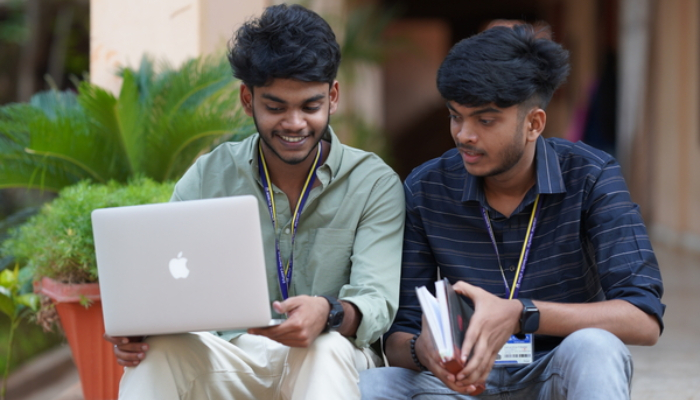
The UNESCO Chair’s flagship experiential learning initiative, Live-in-Labs®, continues to bridge academia and communities through immersive field engagement and collaborative problem-solving. The programme enables students, faculty, and researchers to work directly with rural and coastal communities to co-create sustainable solutions addressing real-world challenges.
Through interdisciplinary field projects, Live-in-Labs® supports initiatives in water sustainability, disaster resilience, healthcare, renewable energy, livelihoods, agriculture, and digital inclusion.
engaged annually
conducted annually
involved
rural and coastal beneficiaries
engaged in water sustainability initiatives
Advancing sustainability through education, research, innovation, and community engagement.

Driving interdisciplinary education and sustainability-focused research through experiential learning and global academic collaboration.
23 Scholars | 9 Countries | 1200+ Students Annually
Working directly with rural, tribal, and coastal communities to co-create sustainable and resilient futures.
1 Million+ Beneficiaries | 100+ Communities | 80+ Water Initiatives


Leveraging geospatial technologies, AI, and digital platforms to support sustainability, cultural preservation, and evidence-based planning.
405+ Sacred Groves Digitized
Building international partnerships and contributing to global sustainability dialogues through UNESCO-led initiatives, conferences, and collaborative networks.
140+ Members | 25+ Countries | 12 UNESCO Chairs

International Network for Sustainable
Innovation and Resilient Futures

Fostering regional collaborations to accelerate our collective efforts to achieve and promote sustainable development, innovative learning, and knowledge-sharing.
Members
Universities
UNESCO Chairs
CSO’s
Established under the auspices of the UNESCO Chair, the International Network for Sustainable Innovation & Resilient Futures (SustIN) serves as a global collaborative platform dedicated to advancing sustainability and resilience through interdisciplinary partnerships.
The network fosters joint research, academic mobility, shared curricula, innovation partnerships, and South–South collaboration among institutions and researchers working toward sustainable development.
UNESCO CHAIR ON EXPERIENTIAL LEARNING FOR
SUSTAINABLE INNOVATION & DEVELOPMENT
The fully funded E4Life Ph.D. programme, launched under the School for Sustainable Futures, nurtures the next generation of sustainability researchers through interdisciplinary and impact-driven doctoral education.
Focused on addressing real-world sustainability challenges, the programme integrates experiential learning, field engagement, and applied research across multiple domains of sustainable development.
In 2025, the programme celebrated the graduation of its first cohort comprising 23 scholars from 9 countries.
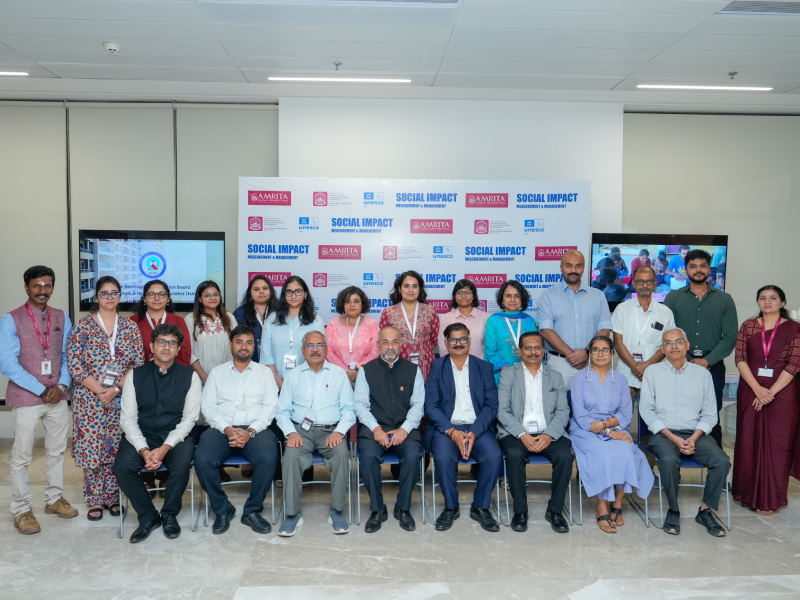
The UNESCO Chair expanded its executive education and certificate programmes focused on climate resilience, sustainable business strategies, disaster preparedness, and social impact management.
Designed for professionals, policymakers, CSR leaders, researchers, and impact investors, these programmes strengthen capacity building and practical leadership for sustainability-focused decision-making.
International Network for Sustainable
Innovation and Resilient Futures
Through the UNESCO-IOC Tsunami Ready Programme, the UNESCO Chair has been actively working with coastal communities in Alappad, Kerala to strengthen local disaster preparedness and resilience.
More than 300 community members participated in evacuation mapping, awareness programmes, preparedness planning, and resilience-building activities aimed at enhancing community readiness for coastal hazards and climate-related risks.
The initiative successfully achieved 9 out of 11 Tsunami Ready indicators.
Through the Live-in-Labs® programme, the UNESCO Chair partnered with tribal communities in Wayanad, Kerala to revive traditional lemongrass oil production using sustainable solar-powered distillation technology.
The initiative empowered tribal women through training programmes, self-help groups, and community-led production systems, enabling sustainable livelihood generation while preserving indigenous knowledge and traditional practices.
The lemongrass essential oil produced through the initiative is further used in Ayurvedic and aromatherapy wellness products, creating additional market opportunities for the community.
Heritage Herald is an innovative initiative supported by the Department of Science & Technology (DST), Government of India, under the Science and Heritage Research Initiative (SHRI).
The project combines digital technologies, geospatial systems, AI, and immersive tools to preserve India’s cultural heritage while creating sustainable livelihood opportunities and reducing rural migration.
The platform documents and promotes traditional knowledge, crafts, festivals, landscapes, and local histories, while supporting cultural tourism, heritage entrepreneurship, and youth engagement within rural communities.
UNESCO CHAIR ON EXPERIENTIAL LEARNING FOR
SUSTAINABLE INNOVATION & DEVELOPMENT
GeoSanskriti is a digital platform that documents and monitors more than 405 sacred groves across Kerala by integrating ecological, cultural, and geospatial data through an interactive interface.
The platform supports evidence-based conservation and enables governments, researchers, policymakers, conservationists, and communities to preserve Kerala’s living traditions while strengthening the communities that safeguard them.
Mera Gaon Hamara Jal is a participatory, data-driven, and geo-enabled digital platform designed to assess and enhance rural water sustainability through community engagement and multi-stakeholder decision support. It bridges scientific research, local knowledge, and governance syste ms to enable bottom-up, evidence-based water management, aligned with SDG 6 (Clean Water and Sanitation).
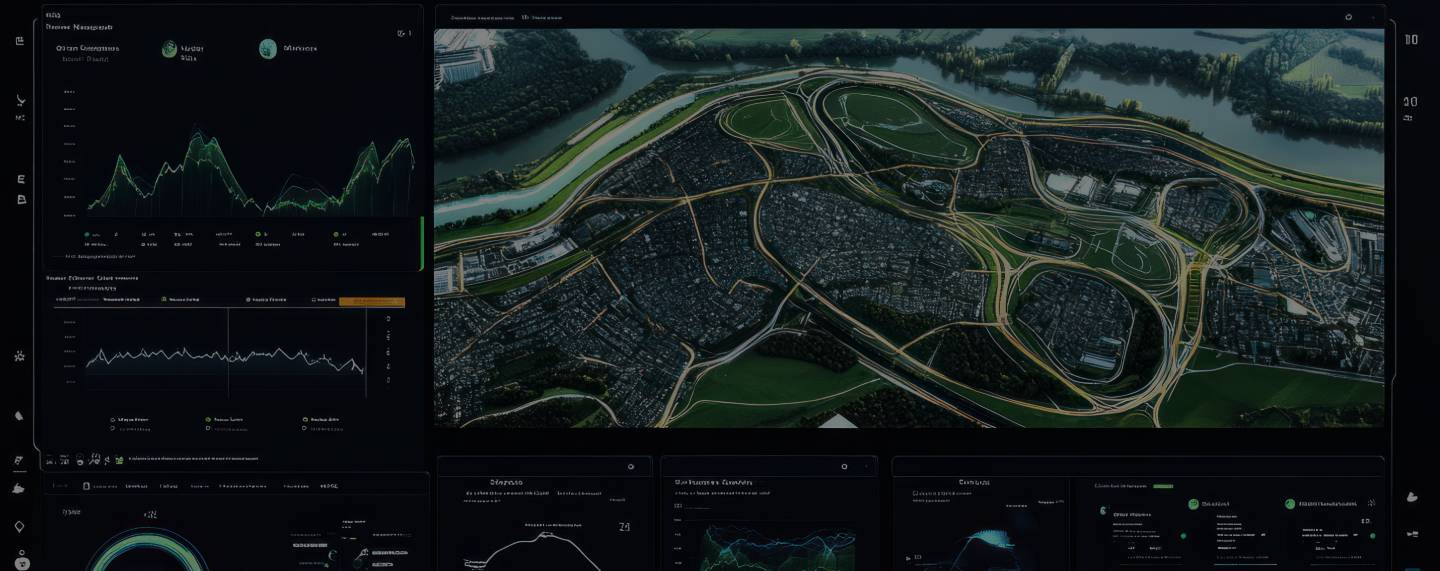
Launched in 2025, SREE (Sustainability & Resilience for Community Engagement & Empowerment) is a geo-spatial, crowd-sourced platform designed to strengthen sustainability and resilience in rural communities.
Using real-time community-driven data and interactive dashboards, the platform enables local communities, researchers, and policymakers to assess challenges, monitor progress, and co-create informed solutions for sustainable development.
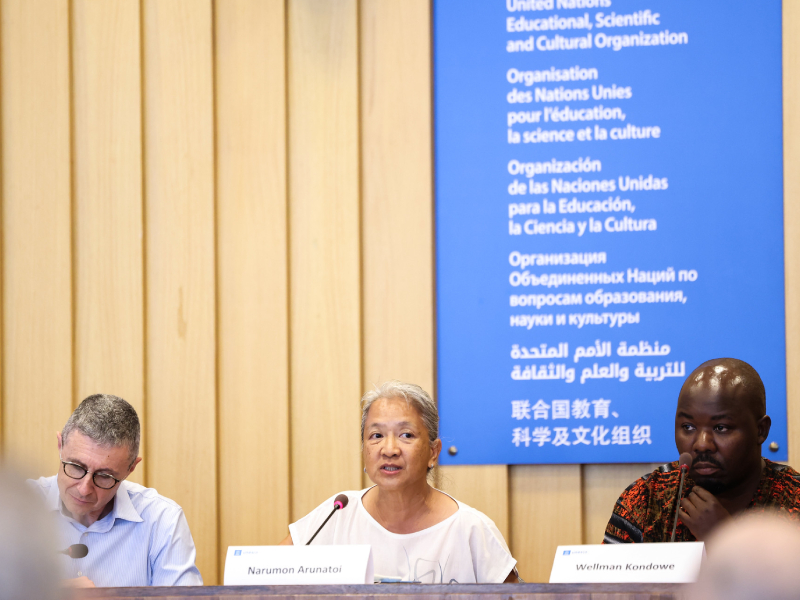
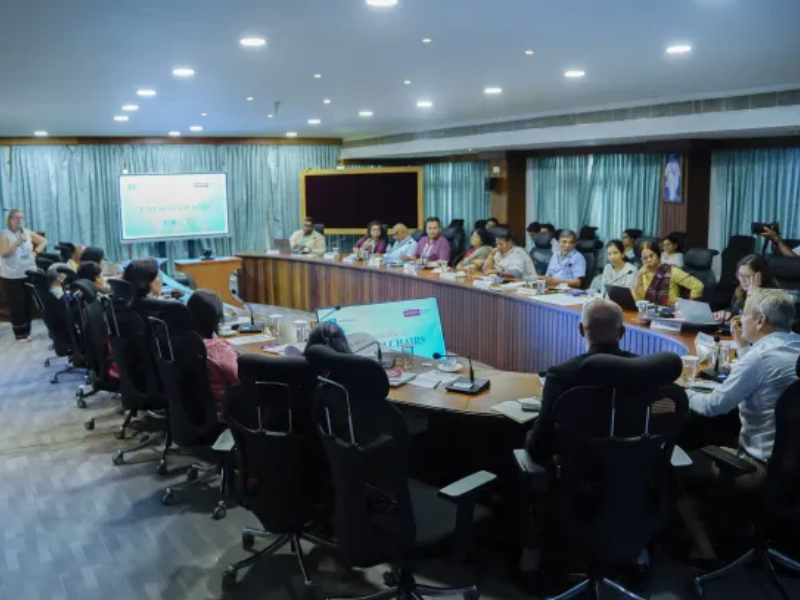
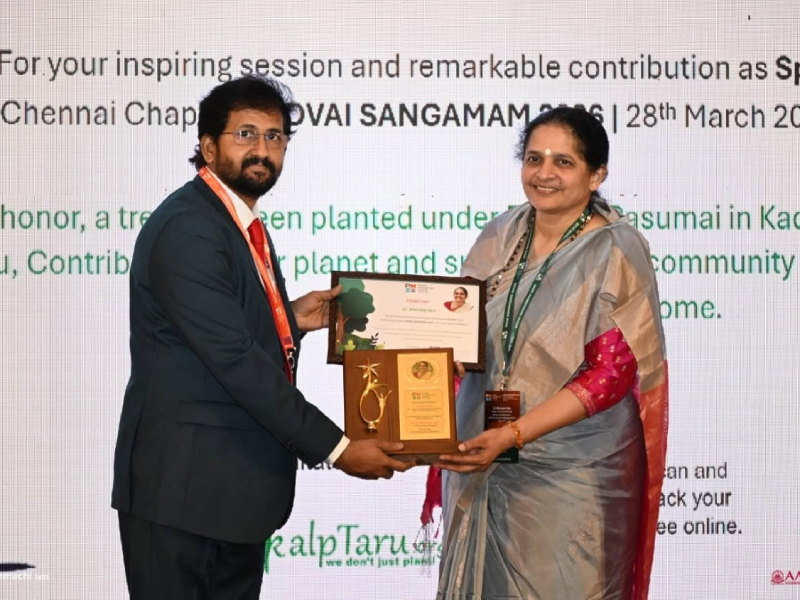
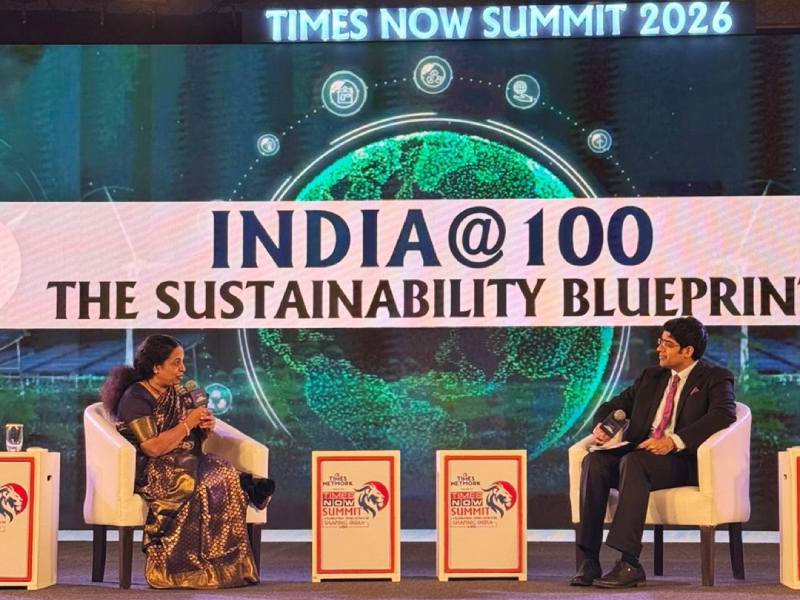
Chairholder Dr. Maneesha V Ramesh represented the UNESCO Chair at several high-level global policy forums and UNESCO-led international dialogues focused on sustainability, resilience, climate action, and experiential learning.
The Chair continues to contribute actively to global conversations and interdisciplinary collaborations addressing sustainable development and resilient futures.
UNESCO CHAIR ON EXPERIENTIAL LEARNING FOR
SUSTAINABLE INNOVATION & DEVELOPMENT

700+
CSO’s
54
Countries

Thematic Focus: Climate Resilience & Social Justice, Environmental Sustaianability, Net Zero Emission Management and Compassion Driven Approaches to Sustainable & Resilient Communities
121
Speakers
84+
Institutions
24
Countries
5000
Participants

33
Sessions
27
Indian Villages
11
States
2200
Participants

2 Million+
Seed Balls Produced & Disbursed
500000+
Participants
11
Indian States
6
Countries

Sustainable Development, Disaster Resilience, Energy Literacy
1200
Participants

UNESCO CHAIR ON EXPERIENTIAL LEARNING FOR
SUSTAINABLE INNOVATION & DEVELOPMENT
Amrita Vishwa Vidyapeetham will host the 7th World Landslide Forum (WLF7) from 23–27 November 2026
Theme:
“Landslide Science and Practice for Safe and Resilient Communities.”
The international forum will bring together researchers, policymakers, practitioners, and global stakeholders working in landslide science, disaster risk reduction, and community resilience.

UNESCO CHAIR ON EXPERIENTIAL LEARNING FOR
SUSTAINABLE INNOVATION & DEVELOPMENT
UNESCO CHAIR ON EXPERIENTIAL LEARNING FOR
SUSTAINABLE INNOVATION & DEVELOPMENT